
Uncategorised
Electronics Return Pallets for Resale Profit
Jul
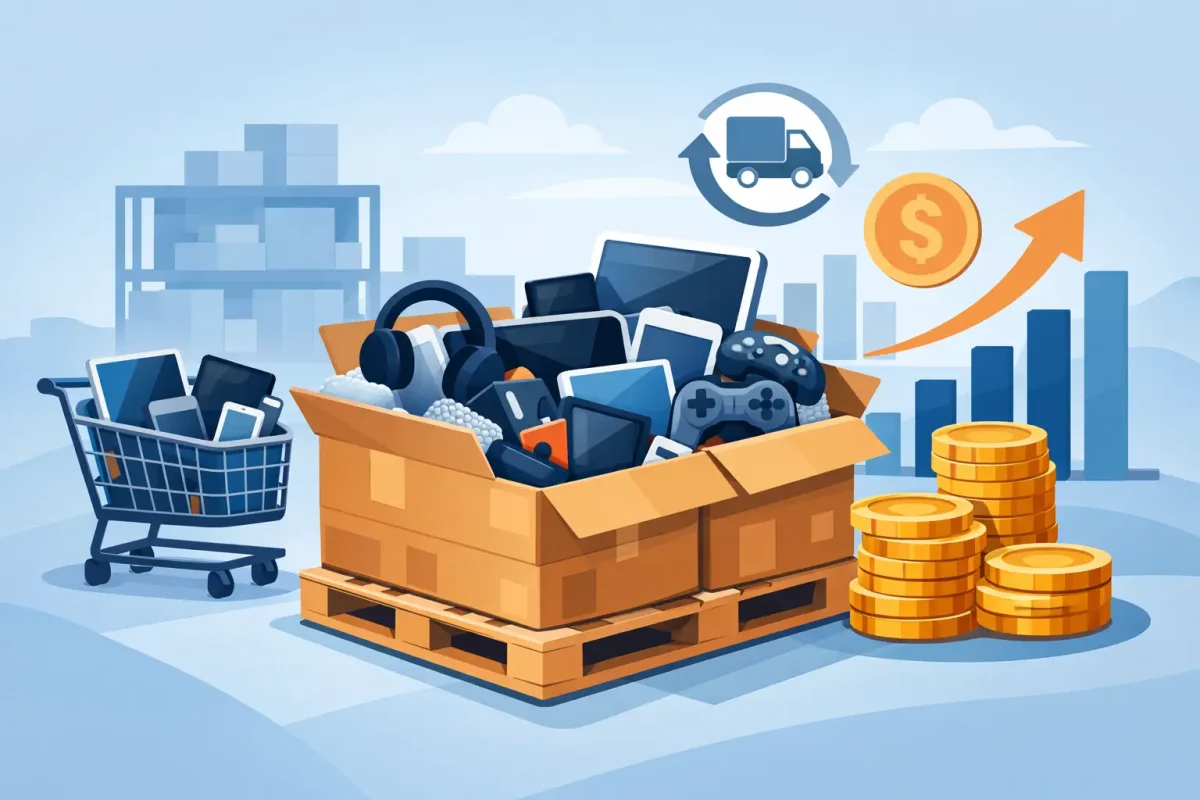
A pallet can contain the inventory that keeps your store stocked for weeks, or it can tie up cash in damaged, incomplete products. That is the reality of buying electronics return pallets. The profit opportunity is real, especially when branded items are acquired below traditional wholesale cost, but results come from disciplined buying, accurate testing, and a resale plan built before the freight arrives.
For resellers, bin store operators, online sellers, and independent retailers, electronics are attractive because demand is broad and ticket values can be strong. Headphones, gaming accessories, smart home devices, small appliances, tablets, chargers, monitors, and audio equipment can all move quickly when priced correctly. The category also requires more attention than apparel or basic general merchandise. One missing power adapter, locked device, cracked screen, or recall can change the value of an item immediately.
Why Electronics Return Pallets Create Opportunity
Retail returns are not automatically bad inventory. Customers return products for many reasons: they ordered the wrong model, received a duplicate gift, changed their mind, found packaging damage, or simply did not understand how the product worked. Some units may be open-box condition and ready for resale after a basic inspection. Others may need accessories, testing, repair, parts harvesting, or liquidation at a lower price point.
That range is why electronics return pallets can produce strong margins. A buyer who understands condition, local demand, and their own processing capacity can buy a mixed lot at liquidation pricing and separate it into multiple revenue channels. Clean, tested units may go to an ecommerce storefront or retail shelf. Lower-value accessories can move through a bin store, flea market booth, bundle, or clearance table. Nonworking products may still have value as parts or repair inventory.
The key is not treating the pallet as one product. Treat it as a pipeline of individual resale decisions. Your recovery depends on how efficiently you identify the items worth testing, the items worth bundling, and the items that should leave your operation quickly rather than consume labor.
What Can Be Inside a Return Electronics Pallet?
Product mix varies by retailer, season, and pallet source. A manifest may show specific SKUs, quantities, retail values, and condition notes. Unmanifested or lightly manifested lots can offer more upside, but they also require more caution. The less detail provided before purchase, the more your buying price must account for uncertainty.
Common inventory includes consumer electronics, phone accessories, Bluetooth speakers, gaming controllers, routers, security cameras, smart watches, small kitchen appliances, power tools with electronic components, cables, printers, and entertainment equipment. Major brand names can increase sell-through, but branding alone does not guarantee profit. A recognizable device with an activation lock or missing proprietary charger may be harder to sell than a complete, tested lower-cost item.
Seasonality matters as well. Audio, gaming, and giftable electronics can gain momentum before the holidays. Fans, air purifiers, and outdoor electronics may perform better during specific weather periods. Before you buy, ask whether your strongest sales channel can move that mix now, not just whether the total retail value looks impressive on paper.
Read the Manifest Like a Buyer, Not a Gambler
A manifest is one of the best tools available to a liquidation buyer, but it is not a guarantee of exact recovery. It is a purchasing document that helps you estimate risk. Review it for item descriptions, quantities, listed retail prices, model numbers, categories, and stated condition when available.
Start by looking beyond the total MSRP. Retail value is not resale value. A $250 item may have a very different market price once it is open-box, missing packaging, or sold without a manufacturer warranty. Check whether the lot is concentrated in items you can sell confidently or padded with slow-moving accessories and low-value replacement parts.
Then calculate a realistic recovery estimate. Use the price you expect to receive after condition discounts, platform fees, payment processing, returns, labor, storage, and any missing components. If you sell locally, factor in time spent messaging buyers and arranging pickup. If you sell online, account for shipping materials, damage claims, and the cost of handling customer returns.
A practical approach is to divide the lot into three buckets: sellable as tested, sellable at a discount or in bundles, and likely loss or parts inventory. Your purchase price should leave room for all three. If the deal only works when every item sells near retail, it is not a strong liquidation deal.
Condition Is Where Your Margin Is Won or Lost
Electronics are often described with labels such as new, like new, open box, customer returns, used, salvage, or untested. These terms are useful, but they are not interchangeable. “Untested” means exactly that: you must assume a portion of the inventory will have issues. “Customer returns” can include excellent products and defective units in the same pallet.
Build a receiving process before the shipment lands. Photograph the pallet condition at delivery, especially if there is visible freight damage. Count cartons, compare the shipment to paperwork, and document discrepancies promptly. Then organize inventory by category and value so your team tests high-dollar items first.
For many operations, a basic electronics workflow should include powering on the item, checking screens and ports, confirming core functions, reviewing included accessories, inspecting for damage, and verifying that devices are not account-locked. Keep condition notes attached to each SKU. That record protects your reputation when you list an item and helps you set consistent pricing across channels.
Do not overinvest labor in low-value units. A $12 accessory with a questionable connection may not deserve 20 minutes of testing and repackaging. Move it in a bundle, place it in a value bin, or use it as a bonus item. Reserve detailed diagnostics for products where the upside supports the work.
Build a Resale Plan Before You Buy
The strongest buyers know where their inventory will go before they commit capital. A pallet full of tested gaming gear may belong on online marketplaces, a specialty retail shelf, or a live-selling channel. Mixed cords, phone cases, and small accessories may be more profitable when sold in lots. Appliances and monitors can perform well through local pickup because shipping costs and breakage risk can erase margin.
Pricing should match condition, not wishful thinking. A tested open-box product can support a higher price than an untested return, but customers expect clear disclosures. State what is included, describe cosmetic wear honestly, and identify missing accessories. Transparent listings reduce avoidable returns and create repeat buyers who trust your inventory.
Speed also matters. Inventory sitting in a warehouse is capital that cannot fund the next deal. Set a target turnaround period for each channel. If a product has not moved after that window, reprice it, bundle it, shift it to another channel, or liquidate it. The goal is not to win every item. The goal is to recover cash and keep buying power moving.
Know the Costs That Do Not Appear on the Pallet Label
A pallet price is only the starting number. Freight, liftgate service, unloading, warehouse space, labor, testing supplies, replacement adapters, packaging, marketplace fees, and disposal all affect your final margin. Buyers who ignore these costs can appear profitable until they look at actual cash recovery.
There is also a compliance side to electronics. Devices with lithium batteries require careful handling, particularly if damaged or swollen. Data-bearing devices deserve additional attention. Wipe data when appropriate, avoid reselling locked phones or tablets as functional units, and follow applicable rules for recycling or disposing of products that cannot be resold. A fast deal is never worth creating a safety problem or damaging your business reputation.
For first-time buyers, it often makes sense to start with a smaller, manifested lot in categories you already understand. Learn your testing speed, average recovery, and best sales channel before moving into larger pallets or truckloads. Experienced operators may prefer broader, less-manifested loads because they have systems to absorb uncertainty. Neither approach is automatically better. It depends on your capital, storage, labor, and ability to move inventory.
Buy With a Margin Plan, Not Just a Low Price
Deal Hunter Liquidation serves buyers who need access to bulk inventory without the traditional wholesale price tag, but a profitable purchase still starts with the buyer’s own numbers. Know your maximum landed cost, your expected recovery range, and the percentage of product you can realistically process each week. That discipline turns liquidation buying from a gamble into a repeatable sourcing strategy.
The best electronics pallets are not always the ones with the highest stated retail value. They are the lots that fit your operation: inventory you can inspect, price, and sell faster than your competition. Buy for the channel you own, protect your margin with honest condition grading, and let fast turnover create the room for the next opportunity.

https://shorturl.fm/1N5gV