
Uncategorised
Customer Returns Pallets for Resale That Move
Jul
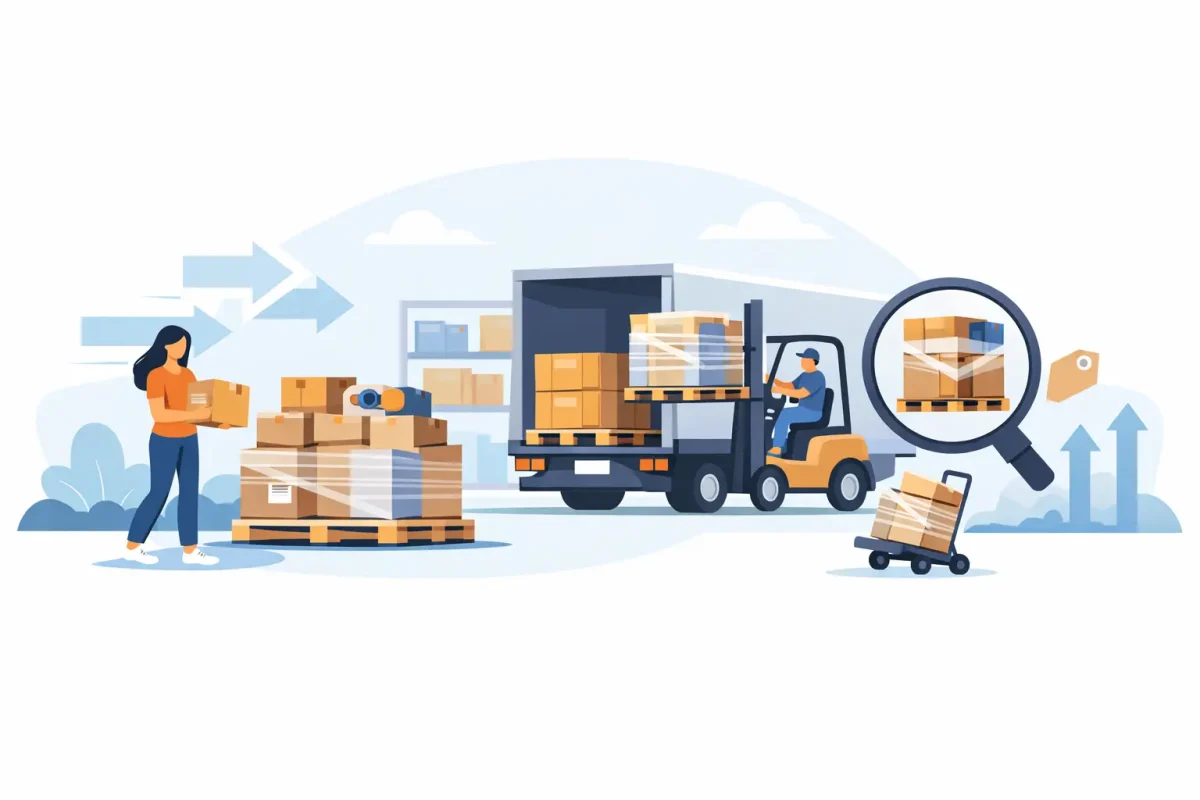
A pallet can look profitable on paper and still tie up your cash for months. The difference is rarely luck. Resellers who make customer returns pallets for resale work know what they can move, what they can test, and what they can afford to lose before the freight truck arrives.
Returns inventory creates an opening that traditional wholesale often cannot: access to branded, retail-ready merchandise at a fraction of original retail pricing. But returns are not pristine case packs. They demand a buying plan built around condition, sell-through, labor, and realistic recovery value.
Why Customer Returns Pallets for Resale Create Opportunity
Customer returns come back to retailers for dozens of reasons. A shopper ordered the wrong size, changed their mind, received a duplicate gift, found damaged packaging, or returned an item that was opened but barely used. Some units are ready to resell after inspection. Others need cleaning, testing, parts, repair, bundling, or liquidation through a lower-price channel.
That variation is exactly where margins are created. A small retail store may pull sellable apparel, footwear, home goods, toys, and tools from a mixed pallet. An ecommerce seller may focus on tested electronics and branded items with clear model numbers. A bin store can turn a broad assortment of lower-value general merchandise into fast daily traffic.
The right lot is not necessarily the one with the highest stated retail value. It is the one that fits your resale operation. If you have a local storefront and customers who buy housewares, a pallet heavy in recognizable home brands may outperform a higher-value electronics pallet that requires extensive testing. If you sell online, compact items with dependable shipping economics may be more valuable than bulky products with impressive retail tags.
Buy for Recovery, Not Retail Value
Retail value is a reference point, not your projected profit. The number that matters is what your operation can recover after purchase cost, freight, labor, platform fees, packaging, refunds, storage, and unsellable units.
Start by identifying your likely resale channels before you buy. Premium, complete, tested items may belong on your ecommerce store, marketplace listings, or store shelves. Open-box merchandise can move through local sales, live selling, or value-focused retail. Incomplete or lower-grade units may still have a place in bin stores, flea markets, clearance racks, parts lots, or mixed mystery boxes.
A practical recovery model separates inventory into condition bands. You might estimate that a portion of a pallet will sell at a strong percentage of retail, another portion will sell at a steep discount, and a final portion will have little or no resale value. Do not assume every item is a winner because the manifest looks attractive.
For example, a pallet with $12,000 in stated retail value is not automatically worth $4,000 to your business. If your realistic recovery is $4,800 after accounting for condition and channel fit, and freight, handling, and selling costs consume another $1,500, your purchase price has to leave room for profit. Fast inventory turns can justify slimmer margins. Slow, labor-heavy inventory requires more protection.
Read the Manifest Like a Buyer
A manifest can give you a major advantage, but only if you treat it as a decision tool rather than a promise. Review item descriptions, quantities, brands, model numbers, categories, and stated conditions. Look for products you recognize and can price quickly in your market.
Pay attention to concentration. A pallet with 200 items sounds diversified, but if 140 of those units are one hard-to-sell product, your risk is concentrated. The same is true of oversized merchandise, seasonal items, or products with costly shipping requirements. One popular brand does not offset a pallet full of units that are incomplete, restricted, or outside your customer base.
When reviewing a lot, pressure-test these five questions:
- Can you identify a proven selling channel for the majority of the units?
- Are the brands and categories familiar enough to price accurately?
- What condition codes are used, and how much testing will the inventory require?
- What will freight, unloading, storage, and processing add to your landed cost?
- If the best 20 percent of the merchandise underperforms, does the deal still make sense?
Manifested inventory generally gives buyers more visibility. Unmanifested mixed pallets can create stronger upside, but they also require a larger risk tolerance and a reliable outlet for surprises. Neither model is automatically better. Choose based on your experience, labor capacity, and ability to absorb variance.
Condition Is Where Your Margin Can Disappear
Customer returns are not one uniform grade. Packaging may be distressed while the product is new. An item may be open-box and fully functional. Another may be missing accessories, show signs of use, or be damaged beyond economical resale.
Build a receiving process before inventory lands. Photograph the pallet on arrival, count high-value units, compare what you receive with available documentation, and separate merchandise by condition as you process it. Test electronics early. Check tools for batteries, chargers, and obvious functionality. Inspect apparel and footwear for tags, stains, wear, and paired sizes. For baby products and safety-related goods, use extra caution and follow all applicable safety and resale requirements.
The faster you grade the inventory, the faster you can put it into the right sales channel. Letting returns sit wrapped in a corner creates hidden costs: you lose selling time, miss seasonal demand, and do not know whether you need more of the same category or need to change your buying strategy.
Freight and Handling Are Part of the Purchase Price
A pallet that looks cheap can become expensive once it reaches your door. Your true landed cost includes the lot price, buyer fees where applicable, freight, unloading equipment, labor, storage, and the materials needed to make merchandise sellable.
Confirm the pallet count, dimensions, total weight, pickup location, and whether you need a loading dock, forklift, liftgate service, or appointment delivery. A home-based seller may be better served by smaller lots that can be handled safely and processed quickly. A retailer with warehouse space can often capture more value from multiple pallets or truckload quantities because handling costs are spread across more units.
Speed matters after delivery. Make a plan for where each condition grade goes. High-value products should be inspected and listed first. Fast-moving everyday goods should reach your floor, bins, or local sales channel quickly. Lower-grade items should not consume premium shelf space just because their original retail value was high.
Match Inventory to Your Sales Model
The strongest liquidation buyers build repeatable lanes instead of chasing every deal. A bin store may prioritize mixed general merchandise, toys, home goods, and everyday accessories that support frequent inventory rotation. A tool reseller may pursue customer returns with identifiable brands and parts availability. An online seller may focus on categories that are easy to test, photograph, pack, and ship.
This is also why category knowledge beats broad optimism. If you understand fragrances, footwear, apparel, or electronics, you can spot value that a general buyer may overlook. You know which models sell, which missing components matter, how returns affect buyer confidence, and when an item belongs in a bundle instead of a standalone listing.
At Deal Hunter Liquidation, buyers can source across resale-friendly categories and choose lots that support the way they already sell. That matters because inventory access is only valuable when it converts into cash flow.
Turn the First Pallet Into Better Buying Data
Your first purchase should teach you more than it earns. Track the number of sellable units, average recovery by condition, labor hours, days to sell, return rate, and actual net profit. Compare those results against the assumptions you made before buying.
Over time, this data tells you where your operation wins. You may find that mixed home goods produce quick local turnover while electronics look profitable but consume too much testing time. You may learn that shelf-pulls fit your online business better than customer returns, or that a consistent stream of lower-ticket merchandise keeps your bin store customers coming back.
Do not wait for a perfect pallet. Wait for a deal that fits your outlet, your cash position, and your processing capacity. Buy with a recovery plan, move the inventory with urgency, and let every load sharpen the next purchase.

https://shorturl.fm/t4o9a
https://shorturl.fm/3vw2X
Pingback: Shelf Pull Pallets Wholesale for Profitable Resale – Deal Hunter Liquidation
Pingback: Tools Liquidation Pallets for Resale Profit – Deal Hunter Liquidation
Pingback: Mixed Merchandise Pallets Wholesale for Resale – Deal Hunter Liquidation